Home › Gravel-to-Asphalt Conversions
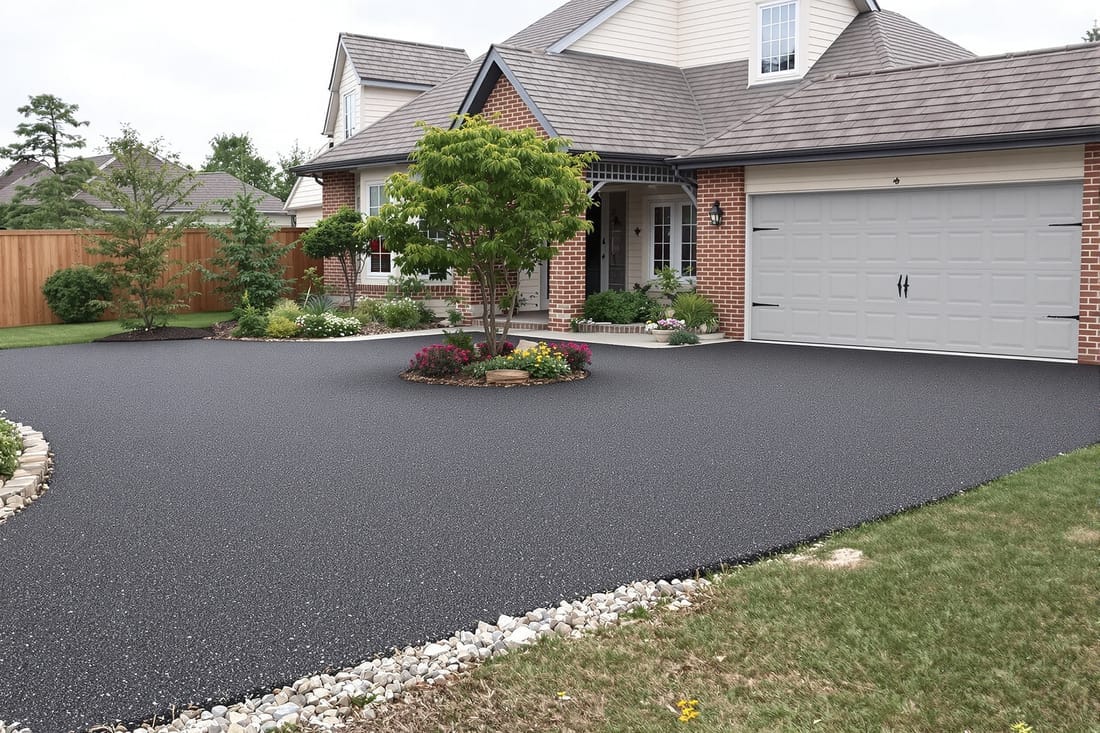
Upgrade from messy gravel to a smooth asphalt driveway in Fort Lauderdale, FL. We regrade and compact your existing drive, add base as needed, and install quality asphalt so you enjoy cleaner vehicles, easier snow or debris removal, and better curb appeal.
Precision Asphalt Fort Lauderdale provides professional gravel to asphalt driveway throughout Fort Lauderdale, FL, Florida and the surrounding area. Our licensed, insured crew delivers safe, clean, on-time work with a free estimate before anything begins. Call (954) 335-6036 or request your free quote.
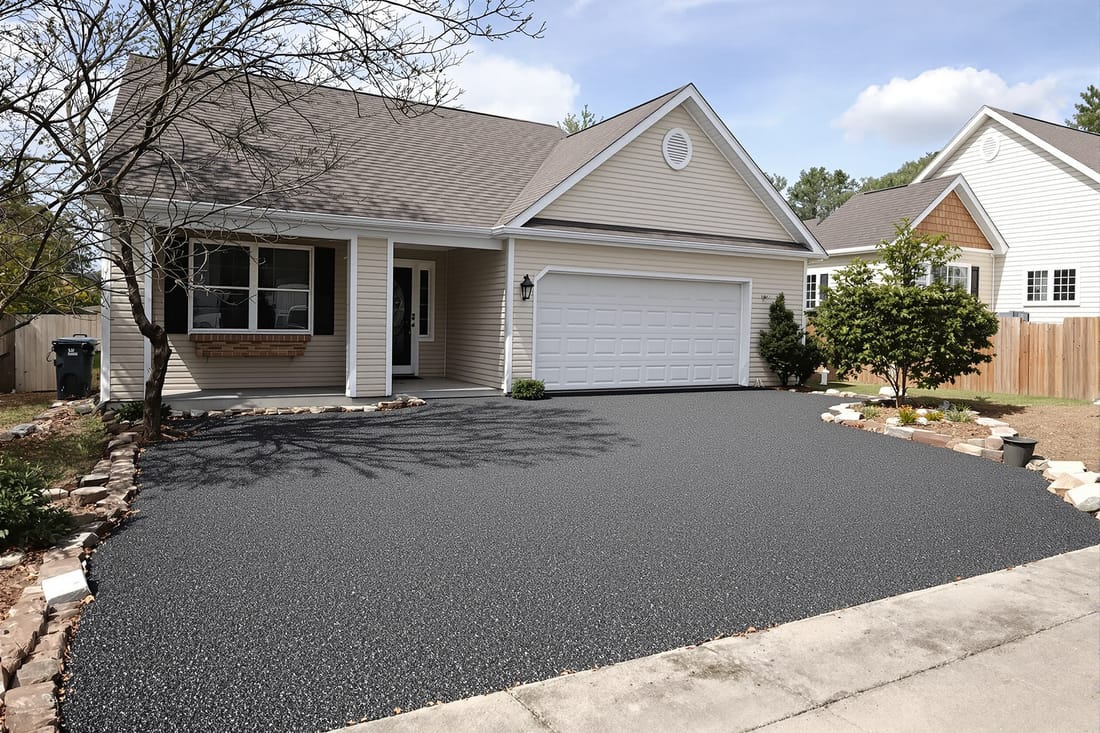
Turn Your Gravel Driveway Into a Smooth Asphalt Surface
A gravel driveway can be messy in Fort Lauderdale’s heavy rains. Ruts form, rocks wash into the street, and dust coats cars and entryways. Precision Asphalt Fort Lauderdale specializes in converting older gravel drives into clean, durable asphalt that looks sharp and is easier to live with in our coastal climate.
We work on single-family homes in neighborhoods like Coral Ridge and River Oaks, townhome communities with shared drives, and small commercial and multifamily parking areas. Whether your gravel is compacted from decades of use or loosely spread and full of potholes, we design a specific gravel to asphalt driveway plan rather than treating every project the same.
From the first visit, we focus on how you actually use your driveway. Do you have frequent deliveries, boat or RV parking, or vehicles that regularly turn in the same spot and tear up the surface? These details guide our recommendations for base preparation, asphalt thickness, and drainage so you get a driveway that holds up, not just one that looks good on day one.
Our Gravel-to-Asphalt Conversion Process, Step by Step
Most problems with new driveways come from skipping or rushing the early steps. At Precision Asphalt Fort Lauderdale, we follow a structured gravel to asphalt driveway process that fits South Florida soil and weather.
1. Site evaluation and measurements. We check current gravel depth, soft spots, existing drainage patterns, and clearances to garages, sidewalks, and the street. On many Fort Lauderdale properties, the driveway pitches slightly toward the house, so we plan to correct that.
2. Soil and base inspection. We probe beneath the gravel to see how thick the existing base is. Old driveways in 1950s and 1960s homes often have a patchwork base, thick in some spots and very thin in others. This tells us where we must add or replace base material.
3. Grading and reshaping. We regrade the existing gravel using a skid steer or grader, removing organic material and any soft, pumping spots. We establish a consistent slope, usually at least 1 to 2 percent away from the home and toward a swale, street gutter, or drain.
4. Base building and compaction. Where needed, we import additional aggregate base and compact it in layers with a vibratory roller. In areas with softer coastal soils or where vehicles turn sharply, such as at garage entries, we may reinforce the base with a thicker section so the asphalt does not crack later.
5. Edge definition. We set clean edges along turf, decorative rock, or existing concrete aprons. On some Fort Lauderdale properties, we recommend a concrete or paver border to contain the asphalt edges and improve appearance.
6. Hot mix asphalt installation. We place the asphalt while it is hot, spread to the planned depth, then compact it with a steel drum roller. Residential gravel to asphalt driveways typically get 1.5 to 2 inches of compacted asphalt over a properly prepared base. Heavier use or light commercial drives may require more.
7. Final rolling and cleanup. We do a final roll pass to remove seams, check transitions to the street and garage, and clean up loose material from lawns, landscape beds, and sidewalks so you can use the space confidently once it has cooled and cured.
Design Choices for Your New Asphalt Driveway
Converting from gravel to asphalt is also a chance to update how your driveway looks and works. Precision Asphalt Fort Lauderdale can adjust layout and finishes to fit your property and your vehicles, not just the footprint that happened to be covered in gravel.
We often widen driveways on Fort Lauderdale lots with limited street parking, especially where families have multiple vehicles or need a trailer or boat pad. This may involve adding new base material and adjusting irrigation or landscaping along the edges. We always walk the area with you beforehand so there are no surprises.
You can choose a standard straight driveway, a gentle curve that improves access to a side-entry garage, or a small parking wing so guests do not block daily-use vehicles. We also plan turning radiuses to reduce the tight, tire-scrubbing turns that prematurely wear asphalt near garage doors and gates.
For finishing detail, we can create crisp, straight edges or soft curves along lawns and planting beds. Some homeowners request a textured or broomed transition at sidewalks or tie-ins to existing concrete to keep water flowing correctly and avoid trip edges. If you have shaded areas from mature oaks or palms, we may recommend a slightly different slope or surface treatment to reduce standing moisture.
For shared drives in duplexes, triplexes, and small apartment buildings, we can add simple striping, wheel stops, or number markings so tenants know where to park. Even though it starts as a gravel to asphalt driveway project, the finished result can function like a small, organized parking lot if that suits your property better.
Local Conditions That Affect Gravel-to-Asphalt Driveways
Fort Lauderdale’s climate is very different from many of the places where generic paving advice is written. Our heavy summer rains, high groundwater, and occasional tidal flooding in low-lying neighborhoods all affect how a gravel to asphalt driveway should be designed and built.
Poor drainage is the number one local issue. If your current gravel driveway puddles during storms, simply putting asphalt over it will trap water and cause early cracking, stripping, or base failure. We look at how water moves across your yard and the street, then adjust slopes or recommend small drainage improvements like shallow swales, surface inlets, or tie-ins to existing drains.
Sandy soils are another factor. Much of Fort Lauderdale has sandy or fill soils that shift more than dense clay. This makes thorough compaction and adequate base thickness critical. In some older neighborhoods near the Intracoastal, the subgrade can be inconsistent, with old construction debris under part of the driveway and sand under another. We identify these transitions and build the base to bridge them.
Tree roots are very common near older homes, especially where large ficus or oak trees shade the driveway. Rather than just paving over raised areas, we evaluate whether roots can be trimmed or whether we need to adjust the alignment or thickness of the asphalt in that zone. We also advise on realistic expectations; if a large tree remains close to the driveway, some movement over many years is likely, and we explain what maintenance options you will have.
Heat and UV exposure influence asphalt choice and compaction practices. In wide open, sun-exposed drives, we prefer mixes and compaction levels that resist softening and rutting in extreme heat, especially where heavy SUVs or work trucks park routinely.
Costs, Timelines, and What Influences Your Price
Every gravel to asphalt driveway project in Fort Lauderdale has a few key cost drivers, and understanding them helps you compare quotes fairly. Precision Asphalt Fort Lauderdale provides detailed written proposals so you know exactly what is included.
The first major factor is base condition. If your gravel is already 4 to 6 inches deep and fairly well compacted, conversion may primarily involve reshaping, topping off low spots, and placing asphalt. If the gravel is thin, full of organics, or sits on a soft or uneven subgrade, we may need to remove material, add new base, and compact in layers. More base work adds cost but also adds life to the driveway.
Driveway size and shape also matter. A straight, open driveway is faster and more efficient to pave than a long, narrow drive running along a side yard with tight access. Curves, parking wings, or tie-ins to existing concrete or pavers add some complexity but can be worth it for day-to-day usability.
Access and logistics affect price more in dense areas like Victoria Park or near the beach, where equipment staging and truck access can be challenging. Narrow streets, limited on-site space for material stockpiles, or the need to work in smaller phases may add to labor time.
Most standard residential conversions are completed in 1 to 3 working days, depending on base work and weather. We schedule work to avoid forecasted heavy rains whenever possible because freshly placed asphalt and newly graded base are vulnerable to washouts. You will typically be able to walk on the new driveway the same day once it cools and drive on it within 24 to 48 hours, with full curing over several weeks.
What to Expect When You Hire Precision Asphalt Fort Lauderdale
Our goal is to turn a dusty, rutted gravel surface into a clean, reliable driveway with as little disruption to your routine as possible. When you contact Precision Asphalt Fort Lauderdale, we start with a site visit, not a ballpark number over the phone. We listen to what bothers you most about your current gravel driveway and what you want from the new asphalt.
Before work begins, we review the layout, edges, slopes, and any drainage or root issues we plan to address. We also discuss practical logistics, such as where to park during construction, how we will protect adjacent turf and landscape beds, and how we will handle access for deliveries or service vehicles during the project.
During the job, a foreman is on site to answer questions and walk you through key steps such as final grading and edge locations before asphalt is placed. If we uncover unexpected conditions, like a buried concrete pad or very soft subsoil, we explain options and any cost changes before proceeding.
At the end of the project, we conduct a walkthrough with you, explain how long to wait before parking, how to avoid scuffing or indenting the surface during the first weeks, and what simple maintenance will keep your new gravel to asphalt driveway in good condition. You receive written details of the work performed and any warranty terms so you have everything in one place.
If you are ready to get rid of constant ruts and washouts, or you just want a cleaner, more attractive entrance to your home or small business, Precision Asphalt Fort Lauderdale can evaluate your existing gravel driveway and outline a clear, locally informed plan to convert it to asphalt the right way.